多文化研メディア班の増田隆一です。
先週の土曜日に開かれました「多文化共創フォーラム:アサド政権崩壊後のシリア難民の本国帰還」は、
盛況のうちに終わりました。
振り返りニューズレターです。
=ー=ー=ー=ー=
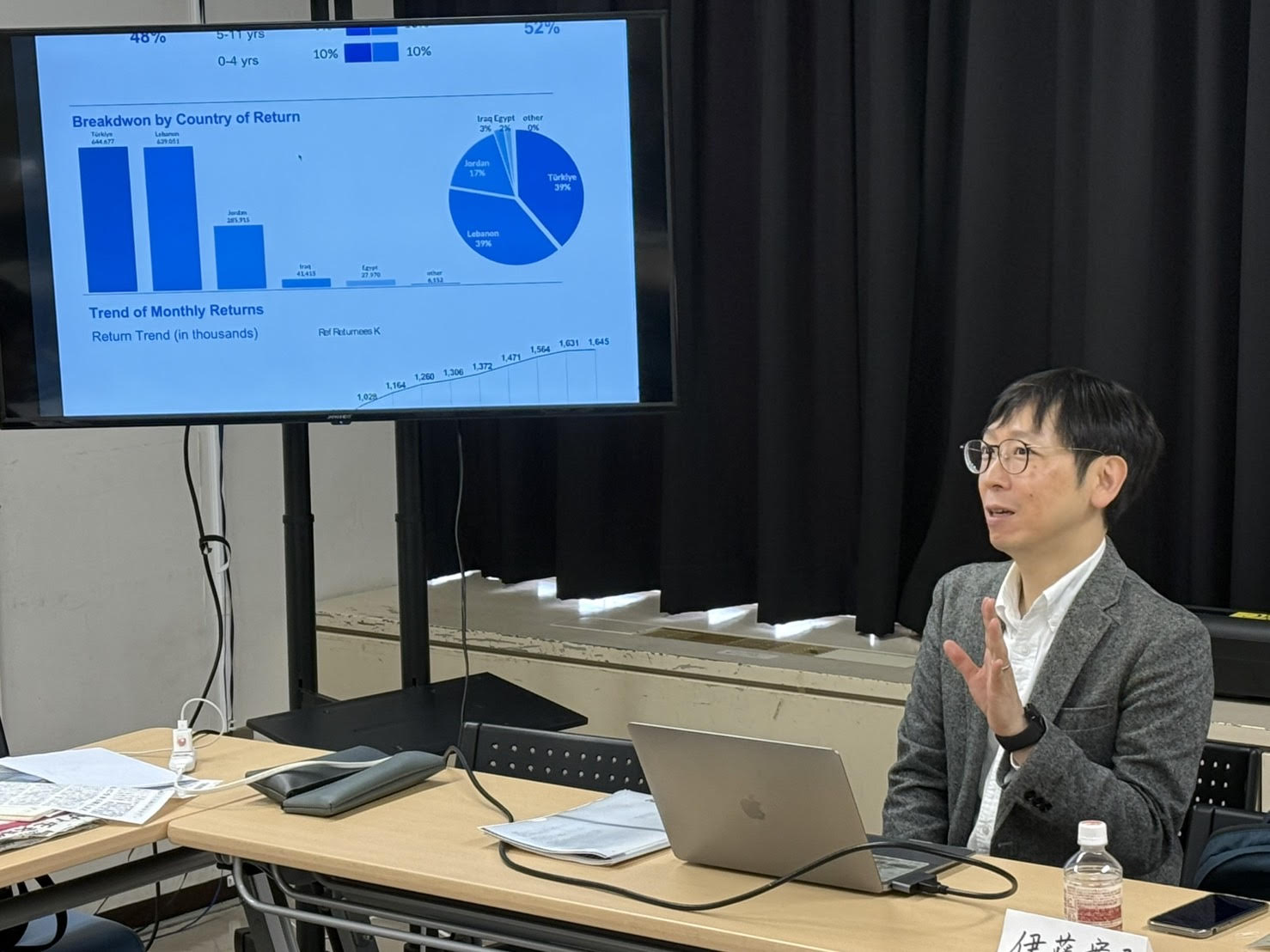
去る2026年5月23日(土)、東京ボランティア市民センターで行われた第201回多文化共創フォーラムでは、
帝京大学経済学部の伊藤寛了准教授による「アサド政権崩壊後のシリア難民の本国帰還」と題する発表が、
以下の流れで行われました。
*はじめに
*1.難民の帰還について
*2.帰還の意思決定をめぐる多層的構造
*3.フィールドワーク:トルコ調査の追体験
*おわりに
「はじめに」では、シリア難民の帰還を取り上げる背景、および帰還に関する国際的な規範が確認されました。
続く「難民の帰還について」ではシリア難民の規模、トルコに滞在するシリア難民の経年的な推移、
アサド政権崩壊後の帰還の動向について説明した上で、
次の「帰還の意思決定をめぐる多層的構造」においては、
難民が帰還への意思決定をどのように行うのかが、検討されました。
そこで発表者・伊藤准教授は、
①本国、②受入国、③国際政治、④再統合、⑤個人・家族、という視角から、
難民の意思決定は、<多層的な構造になっている>ことが示唆されると述べ、
これらの要因について分析が行われました。
その後、休憩を挟みフォーラムの後半では、
伊藤准教授がトルコで行ったフィールドワーク調査の概要が述べられました。
このパートでは、参加者が発表者の調査の足取りを追いながらフィールドワークを追体験できるよう、
地図や写真等の資料が用いられました。
「おわりに」では、発表の総括が行われたほか、
参加者から活発に出された質問への応答があり、
続いて自由な意見交換となりました。
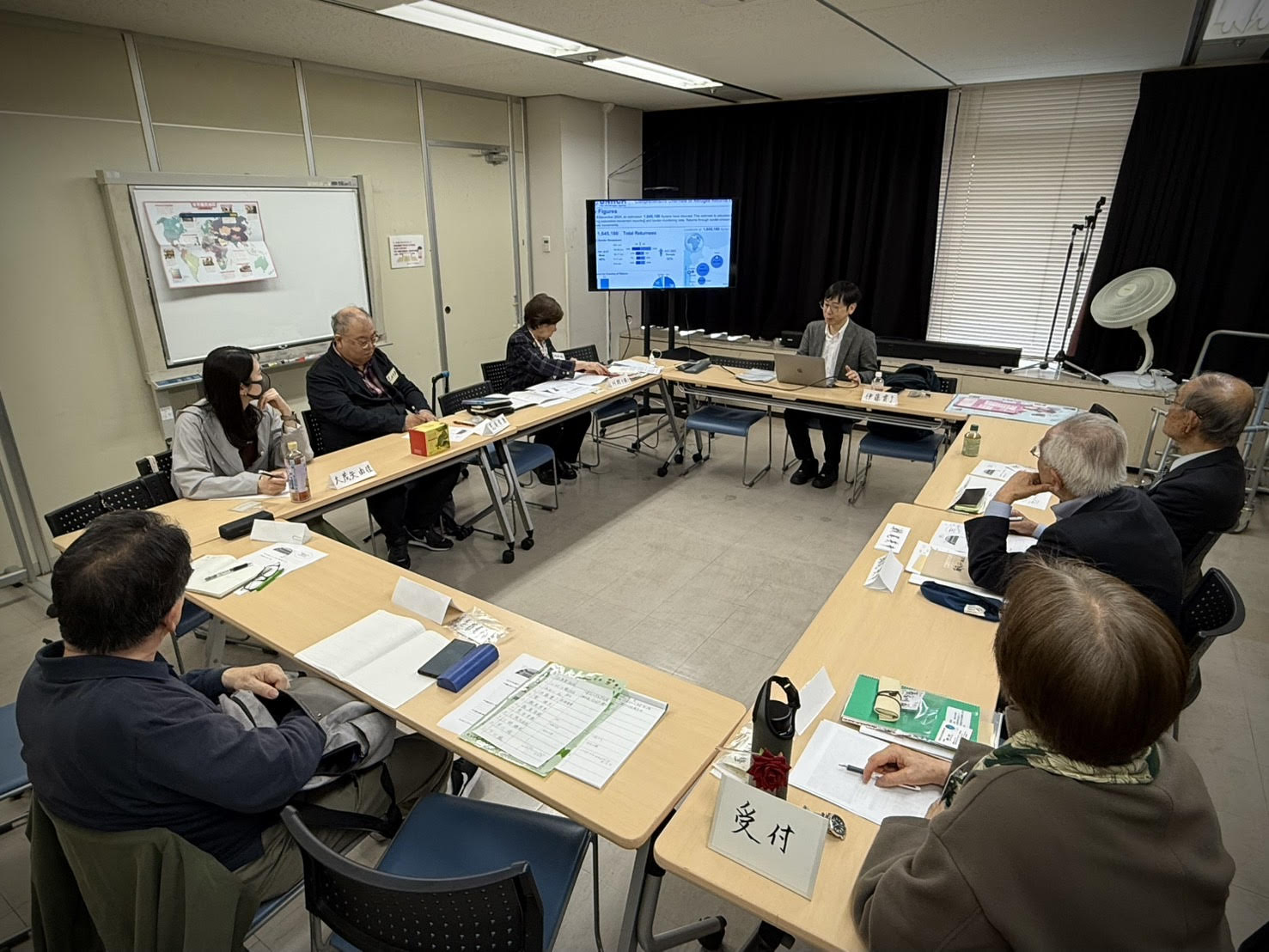
At the 201st Multicultural Co-creation Forum, held on Saturday, May 23, 2026, at the Tokyo Volunteer and Civic Center, Dr. Hiroaki Ito of the Faculty of Economics at Teikyo University delivered a presentation titled “The Return of Syrian Refugees to Their Homeland Following the Fall of the Assad Regime,” which proceeded as follows.
Introduction
1. On the Return of Refugees
2. The Multilayered Structure Surrounding the Decision to Return
3. Fieldwork: A Recap of the Fieldwork Survey in Turkey
Conclusion
In the “Introduction,” the background for addressing the return of Syrian refugees and international norms regarding return were confirmed. The subsequent section, “On the Return of Refugees,” explained the scale of the Syrian refugee population, the historical trends of Syrian refugees residing in Turkey, and the trends in return following the collapse of the Assad regime. In the following section, “The Multilayered Structure Surrounding the Decision to Return,” the presentation examined how refugees make decisions regarding their return. The presenter noted that this suggests refugee decision-making is embedded in a multi-layered structure viewed from the perspectives of (1) the home country, (2) the host country, (3) international politics, (4) reintegration, and (5) the individual and family, and an analysis of these factors was conducted. Following a break, the second half of the forum featured an overview of the presenter’s fieldwork conducted in Turkey. Maps, photographs, and other materials were used to allow the audience to follow the presenter’s research journey and relive the fieldwork experience. The session concluded with a summary of the presentation, and the presenter answered questions from participants throughout the event.
=ー=ー=ー=ー=
多文化研メディア班
増田隆一 拝

