The Society for Multicultural Community Studies (Tabunkaken) has engaged for 35 years in studies on how best we can all collaborate to create the society where diversity is respected and the well-being of every member of the society can be enhanced. To cerebrate its 35th anniversary, Tabunkaken will host the Symopium on Saturday, March 29 at Daito Bunka Kaikan and would be honored to invite you to this event.
We would be delighted to welcome you to the Symposium and engage in meaningful discussions together.
Event: Symposium on the 35th Anniversary of the Society for Multicultural Community Studies
Announcement of January and February Research Meetings (Society for Multicultural Community Studies)
Dear Members of the Society for Multicultural Community Studies,
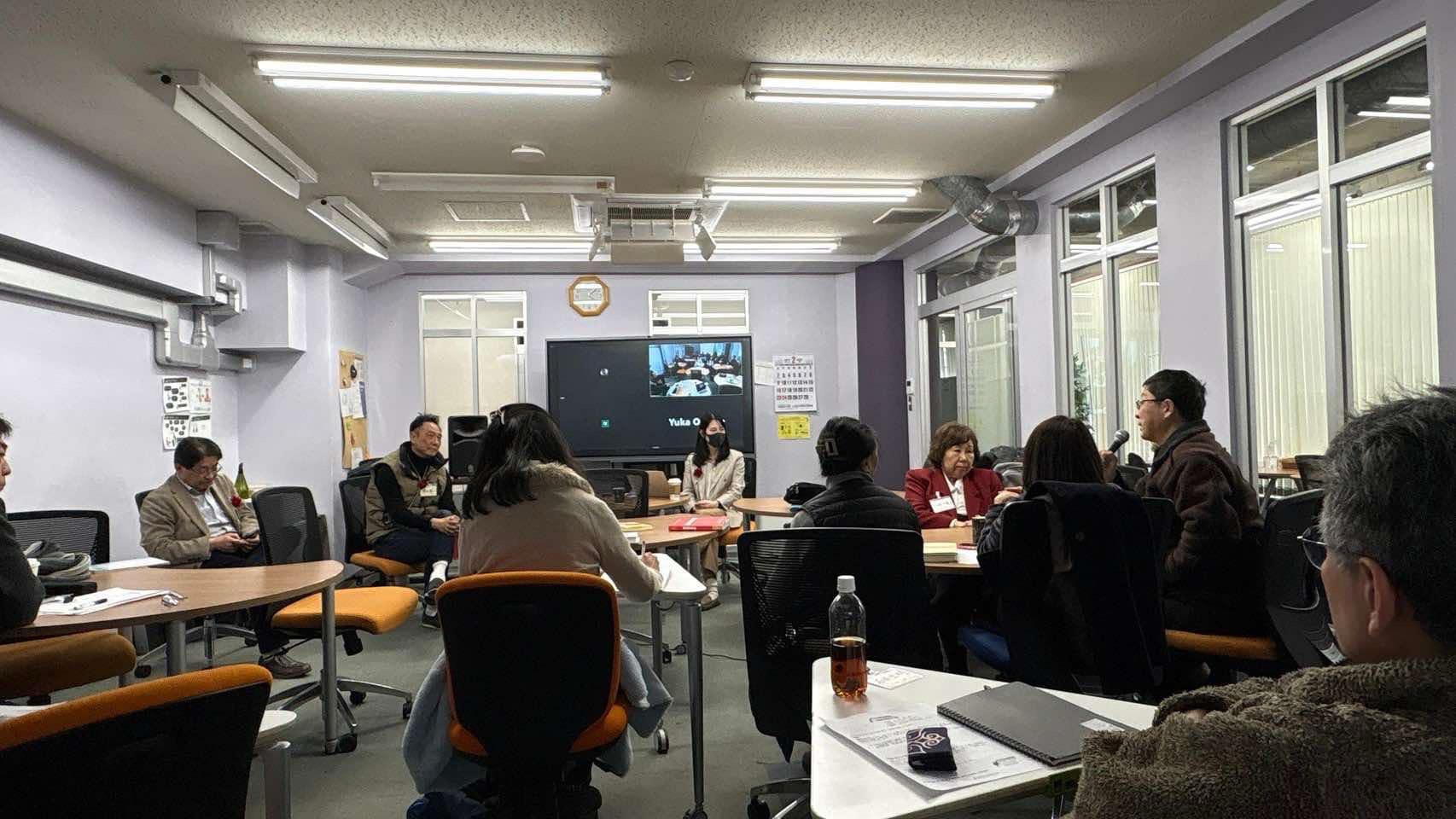
The 2025 research meetings are about to begin! We are pleased to provide details of the first research meeting scheduled for January 26, titled “Challenges and Current Practices in Supporting Foreign Residents in a Multicultural Society,” as well as the second meeting scheduled for February 23, titled “Multicultural Co-creation and the Role of Media.” Both events will address significant and timely topics, and we hope you will consider joining us.
Additionally, we have received a report from Masao Kobayashi on the 189th research meeting held on December 28. It offers a vivid account of the event’s atmosphere and key discussions. The report (in Japanese) is attached, so please take a moment to review it.
January Research Meeting
Challenges and Current Practices in Supporting Foreign Residents in a Multicultural Society
Date and Time: January 26, 2025 (Sunday), 2:00 PM–4:30 PM
Venue: Tokyo Volunteer Center (Iidabashi Station, Ramla 10th Floor, Conference Room B)
Purpose As foreign residents from various parts of Asia increasingly settle in Japan, the need and importance of consultation services for their daily challenges are growing. While administrative procedures, such as visa-related consultations, are often handled by administrative scriveners, other areas of support—such as medical care, labor issues, and children’s education—are typically addressed by staff from NPO organizations or volunteer specialists. This forum aims to hear from experts and practitioners actively working on the ground in supporting foreign residents. We will explore the challenges Japan faces in adapting to and embracing diversity.
Program
2:00 PM–2:10 PM: Opening Remarks
2:10 PM–2:25 PM: Lecture 1 (Ice-breaking) Daniele RESTA (Part-time Lecturer, Keio University) “Daniele’s Record of Life in Japan Q&A: What Challenges Did I Face? What Services Would Have Been Helpful?”
2:30 PM–3:00 PM: Lecture 2 Mayumi Yoshida (Asian People’s Friendship Society, APFS) “Consultation Services by APFS: Practices and Challenges”
3:00 PM–3:10 PM: Break
3:10 PM–3:40 PM: Lecture 3 Akira Ofusa (Administrative Scrivener (Gyoseishoshi), Representative of Ofusa Administrative Scrivener Corporation) “Challenges in Accepting Foreign Workers in Japan: Insights from the Work of Administrative Scriveners”
Note: The order of presentations is subject to change.
February Research Meeting
Multicultural Co-creation and the Role of Media
Date and Time: February 23, 2025 (Sunday), 1:00 PM–4:00 PM
Venue: Kai Japanese Language School (1-15-18 Okubo, Shinjuku, Tokyo, 5-minute walk from JR Shin-Okubo Station)
Purpose In today’s world, the widespread use of social media has led to the polarization of opinions, as individuals are exposed primarily to information and viewpoints similar to their own. This phenomenon has been observed globally, with the rise of far-right, anti-immigration parties in Europe and the return of anti-immigrant policies in the United States under former President Trump. These trends are also relevant to Japan, as the country expands its acceptance of foreign residents. This forum will focus on the role of media, analyzing the impact of social media in contemporary society and exploring how traditional media, such as newspapers and television, can contribute to promoting multicultural co-creation.
Program
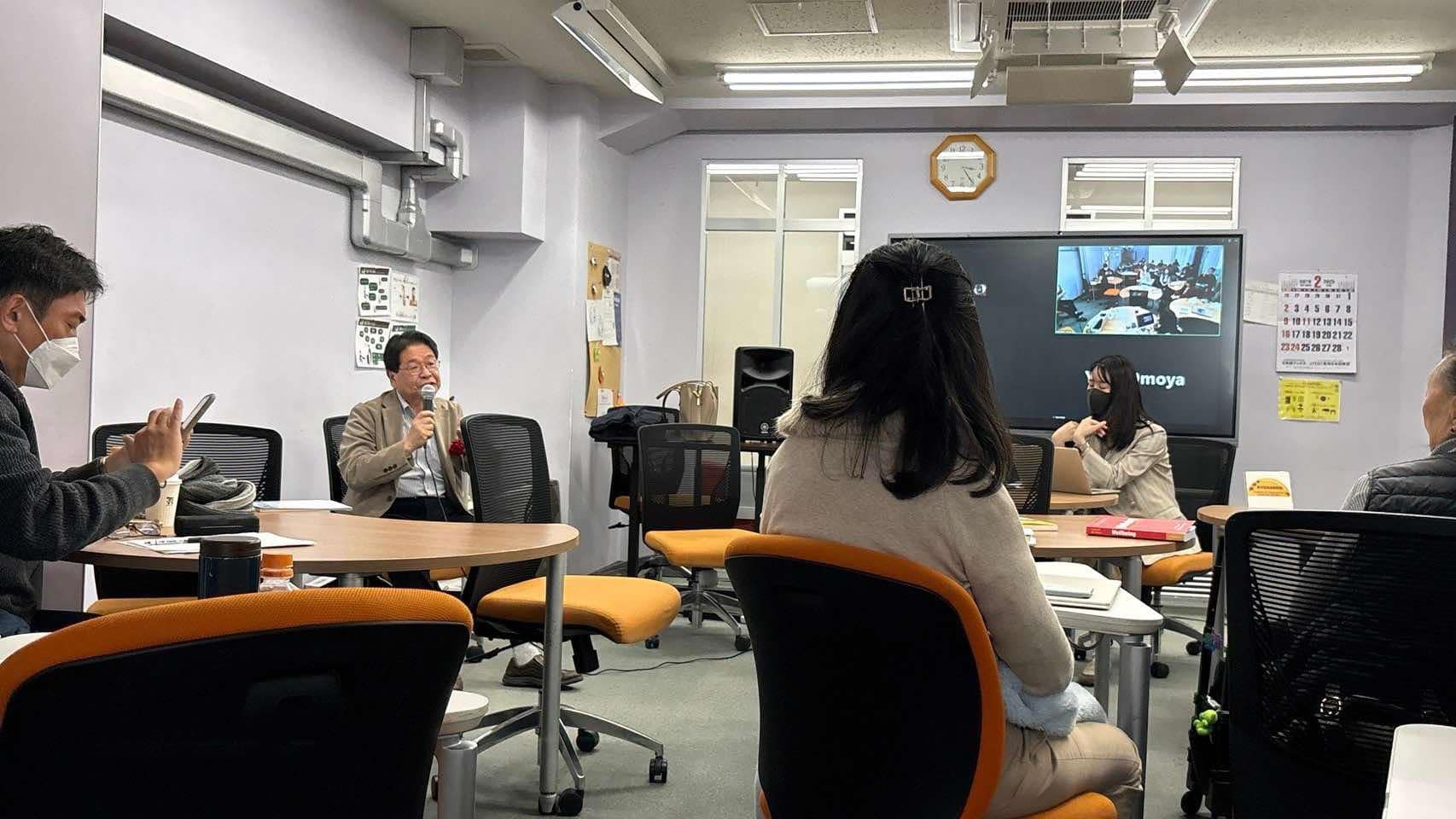
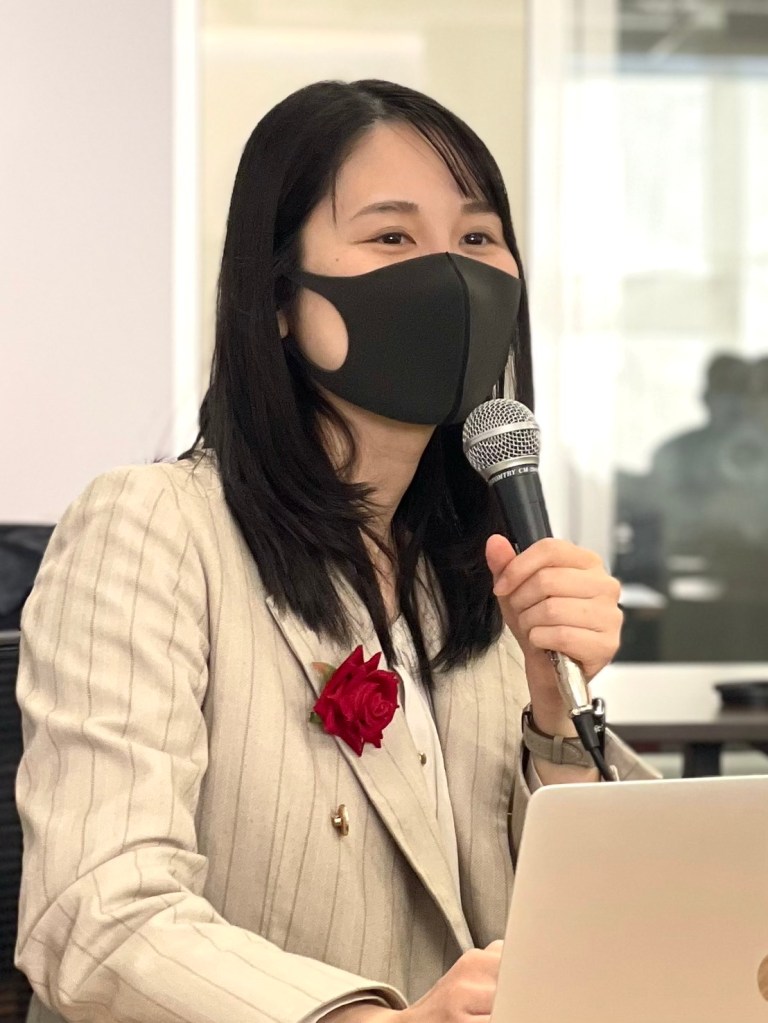
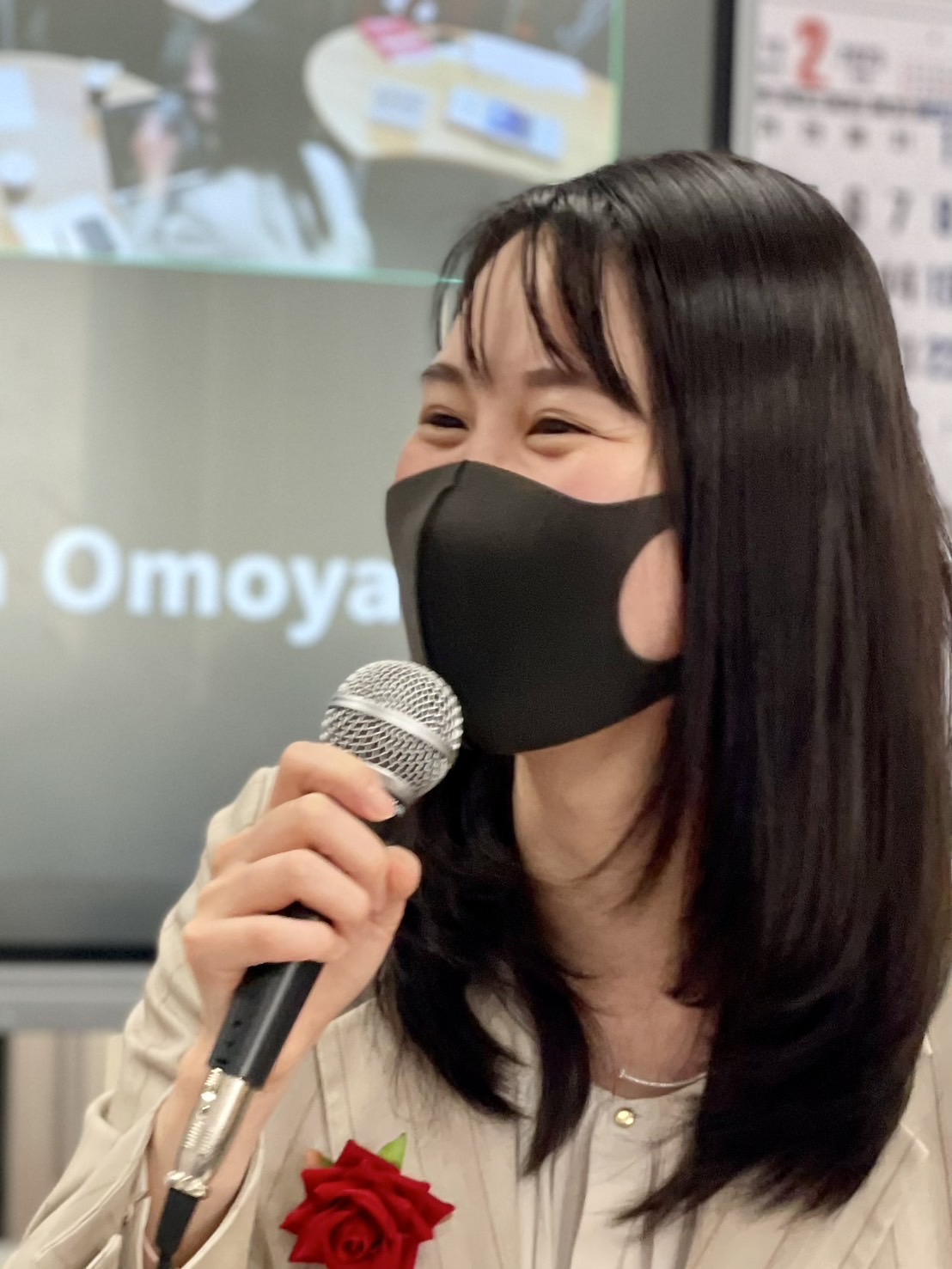
Keynote Lecture Yuka Omoya (Lecturer, Graduate School of Liberal Arts, Saitama University) “Refugees and Media”
Note: The venue has a limited capacity. If the number of participants exceeds the venue’s capacity, we will consider offering limited Zoom access. Please register early to secure your spot.
Both research meetings provide valuable opportunities to consider the challenges and opportunities in creating a multicultural society. We look forward to your participation.
Society for Multicultural Community Studies Office Yukinori Watanabe
As 2024 nears its end, we have finally entered the busy month of December. How are you all doing? This time, we have the pleasure of listening to reports from Advisor Takao Nuki and Board Member Ikuko Matsumoto, who have recently returned from overseas. In addition to their insights, they will share valuable photographs. This is a rare opportunity. We hope you will join us! After the forum, we will enjoy the traditional year-end soba noodles together on the 20th floor of the same building at the restaurant “Hokkaido.”
Report 1: (Fieldwork Conducted 4 Times in the Republic of the Marshall Islands)
Theme: “The Forgotten Scars of War and Healing – Following the Path of Chutaro Gushi from Okinawa to the Marshall Islands” Ikuko Matsumoto (Board Member, Society for Multicultural Community Studies; Doctoral Student, Sophia University)
帰国報告2:(ピースボート世界一周の旅)
テーマ:『移民が受ける暴力の3類型』
貫 隆夫(多文化研顧問、武蔵大学名誉教授、元大東文化大学教授、元経営関連学会協議会理事長)
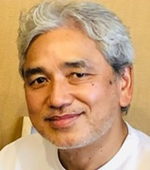
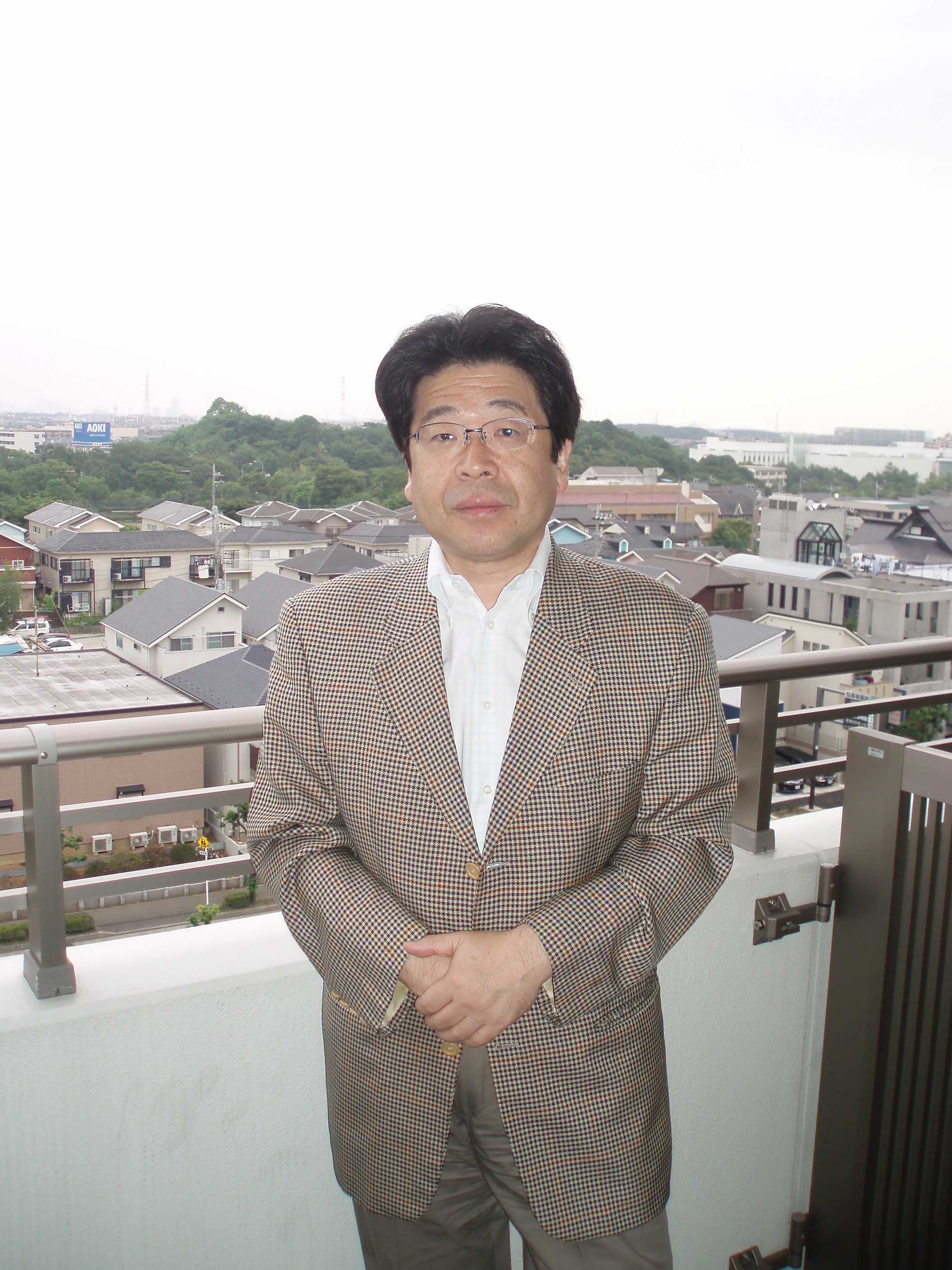
(貫隆夫名誉教授近影・2024年11月)
Report 2: (Round-the-World Journey on the Peace Boat)
Theme: “Three Types of Violence Received by Immigrants” Takao Nuki (Advisor, Society for Multicultural Community Studies; Professor Emeritus, Musashi University; Former Professor, Daito Bunka University)
閉会挨拶:川村千鶴子 (多文化研理事長、NPO太平洋協力機構顧問)
Closing Remarks: Chizuko Kawamura (Chair, Society for Multicultural Community Studies; Advisor, NPO Pacific Cooperation Foundation)
A lunch set meal at the restaurant “Hokkaido” (1,000–1,800 yen) has been tentatively reserved in a room with a great view. (Contact: Masao Kobayashi)
We welcome your feedback and suggestions for the Society for Multicultural Community Studies. For inquiries, please refer to the names of the board members listed below: https://tabunkaken.com/
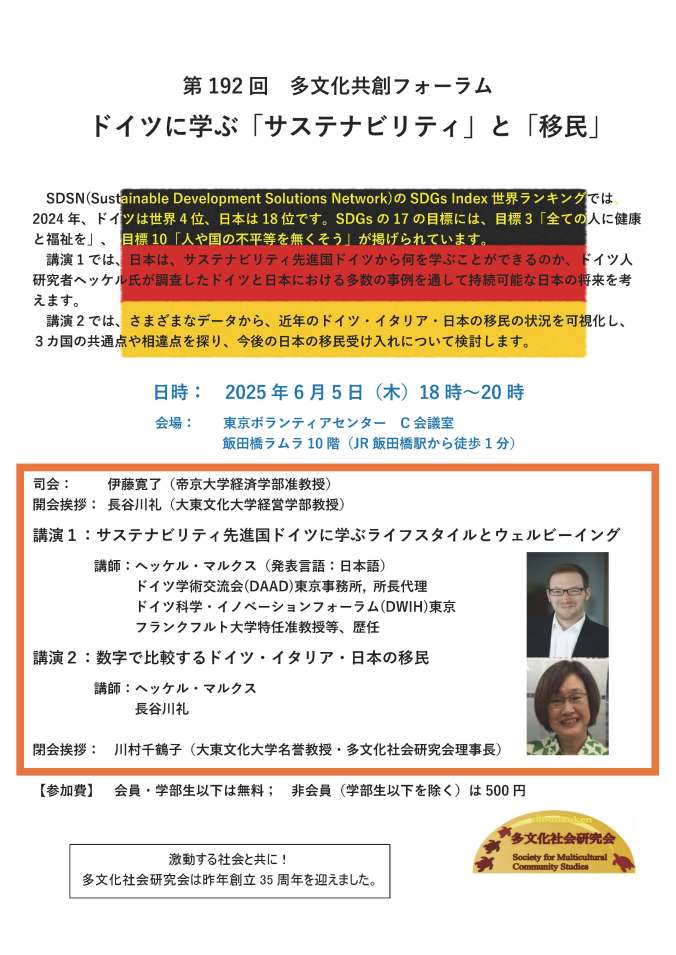
We look forward to your participation!
〜……………〜…………〜…………〜
To All Members of the Society for Multicultural Community Studies
Global Awareness & Well-being Chizuko Kawamura
The 189th Multicultural Co-Creation Forum
As 2024 nears its end, we have finally entered the busy month of December. How are you all doing? This time, we have the pleasure of listening to reports from Advisor Takao Nuki and Board Member Ikuko Matsumoto, who have recently returned from overseas. In addition to their insights, they will share valuable photographs.
This is a rare opportunity. We hope you will join us!
After the forum, we will enjoy the traditional year-end soba noodles together on the 20th floor of the same building at the restaurant “Hokkaido.”
Date: December 28, 2024 Time: 9:30 AM – 12:00 PM Venue: Tokyo Volunteer Center (Iidabashi Station, Ramla 10th Floor, Conference Room A)
Opening Remarks: Kaori Fujinami (Saitama Prefecture, Doctoral Student, University of Tsukuba)
Report 1: (Fieldwork Conducted 4 Times in the Republic of the Marshall Islands)
Theme: “The Forgotten Scars of War and Healing – Following the Path of Chutaro Gushi from Okinawa to the Marshall Islands” Ikuko Matsumoto (Board Member, Society for Multicultural Community Studies; Doctoral Student, Sophia University)
The Pacific Ocean covers approximately one-third of the Earth’s surface. This report addresses the history and truths of nuclear testing in this water-dominated hemisphere.
Report 2: (Round-the-World Journey on the Peace Boat)
Theme: “Three Types of Violence Received by Immigrants” Takao Nuki (Advisor, Society for Multicultural Community Studies; Professor Emeritus, Musashi University; Former Professor, Daito Bunka University)
Closing Remarks: Chizuko Kawamura (Chair, Society for Multicultural Community Studies; Advisor, NPO Pacific Cooperation Foundation)
Additional Notes:
Please RSVP to assist with preparing materials.
A lunch set meal at the restaurant “Hokkaido” (1,000–1,800 yen) has been tentatively reserved in a room with a great view. (Contact: Masao Kobayashi)
We welcome your feedback and suggestions for the Society for Multicultural Community Studies. For inquiries, please refer to the names of the board members listed below: https://tabunkaken.com/
Dear Members of the Society for Multicultural Community Studies,
As previously announced, the Symposium on Corporate Management and Local Governance in Response to a Diverse Society: The Potential of Introducing a Diversity Charter was held on Friday, November 15, 2024, at Gakushuin University (South Building No. 2, Room 200). Co-organized by Gakushuin University’s Faculty of International Social Sciences and the Society for Multicultural Community Studies, the event brought together experts from corporate, governmental, and academic fields to discuss the challenges and possibilities of multicultural coexistence.
Following the program, Mr. Ken Inoue of Asahi Logistics Co., Ltd., shared examples where corporate rationality has naturally led to the promotion of diversity. He highlighted how profit-driven corporate activities can pave the way for a more open society, which resonated strongly with the audience. Next, Ms. Mariko Sakuramoto of the Multicultural Society Promotion Division of Shinjuku City introduced Shinjuku’s advanced initiatives with specific examples, emphasizing the importance of discussing and envisioning ideal administrative services. Finally, Professor Atsushi Kondo of Meijo University provided an overview of the Diversity Charter’s growing adoption in Europe, offering insights into how such a framework could be applied in Japan. He underlined the importance of actively evaluating and supporting diversity initiatives by businesses and local governments.
During the panel discussion, participants affirmed the compatibility of the European Diversity Charter with the advanced efforts of Japanese municipalities and businesses. They exchanged views on how advancing this concept could help realize a sustainable multicultural society. Additionally, it was pointed out that education focusing on multicultural coexistence has significantly influenced the younger generation, leading to a renewed recognition of the vital role of universities and educational institutions.
Through this exchange of information and ideas, the symposium successfully shed light on the current state of and challenges to multicultural coexistence initiatives while uncovering new opportunities for collaboration among businesses, local governments, and educational institutions.
We thank all participants for their valuable contributions and look forward to future initiatives and discussions in this field.
Best regards, Society for Multicultural Community Studies